Source Duplex Fiber Optic Adapter for Network Equipment
Find and compare 30 duplex fiber optic adapter options for network equipment and fiber distribution frames. Select from LC and SC structures with singlemode or multimode transmission, available in various colors and housing materials to meet specific deployment needs; compare the available evidence and request quotations based on your requirements.
Key considerations
Products List




Comprehensive Sourcing Guide
Duplex Fiber Optic Adapter Sourcing Guide
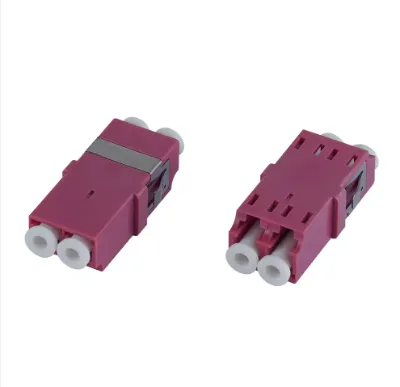
Procuring duplex fiber optic adapters requires a precise understanding of connector geometry, fiber mode, and housing material to ensure network integrity. These components serve as critical interconnects in structured cabling systems, facilitating low-loss signal transmission between patch cords and equipment ports. Buyers must distinguish between simplex and duplex configurations, noting that duplex adapters typically house two ferrules to support bidirectional communication over a single cable assembly. The choice between single-mode and multimode variants dictates the optical performance and applicable distance ranges, making accurate specification essential for avoiding costly retrofits or signal degradation in high-density environments.
The market offers a variety of structural designs, including flanged and flangeless options, which influence mounting compatibility with patch panels and wall outlets. Material selection, such as plastic or metal housings, impacts durability and thermal stability, while sleeve composition—often zirconia or brass—affects insertion loss and return loss performance. Buyers should verify the presence of dust caps, whether shutter or rubber types, to protect endfaces from contamination during storage and handling. Understanding these physical attributes allows procurement teams to align supplier offerings with specific infrastructure requirements, ensuring seamless integration into existing fiber distribution frames and network equipment architectures.
Product Scope and Observed Listing Signals
Current market listings indicate a broad availability of duplex adapters with observed price points ranging from $0.02 to $10 USD, reflecting significant variation in quality, material grade, and order volume. Minimum order quantities (MOQs) span from single units to ten thousand pieces, suggesting flexibility for both prototype testing and large-scale infrastructure deployments. Listings frequently highlight customization options, allowing buyers to tailor packaging or housing colors to match specific site standards or aesthetic requirements. This variability necessitates careful evaluation of supplier capabilities to ensure that bulk orders maintain consistent quality and that custom requests do not introduce unacceptable lead time delays or cost premiums.
Observed product attributes reveal a dominance of LC and SC structures, with LC adapters often featuring square or rectangular shapes and SC variants offering robust housing designs. Color coding is prevalent, with beige, blue, green, and black options available to support TIA-598 standards for fiber identification. Some listings specify multi-core or single-core capabilities, though duplex adapters inherently support two fibers. Buyers should note that while many suppliers claim RoHS and SGS compliance, these certifications must be validated through documentation rather than assumed from product descriptions. The presence of molded fabrication processes suggests standardized manufacturing, but buyers must still verify sleeve material and endface polish type to ensure optical performance meets their specific network demands.
Technical Specifications to Verify
Verifying the ferrule endface polish is critical, as PC (Physical Contact) and APC (Angled Physical Contact) variants offer different return loss characteristics and are not interchangeable. Buyers must confirm whether the adapter supports single-mode or multimode transmission, as mismatched fiber types can cause significant signal attenuation or complete link failure. The sleeve material, often zirconia for superior wear resistance and low friction, directly impacts insertion loss and long-term reliability. Additionally, the housing material, whether PC, ABS, or PPO, affects mechanical strength and environmental resistance, making it essential to select materials suitable for the intended installation environment, whether indoor or outdoor.
Interoperability between different connector types, such as LC to FC or SC to LC, requires careful attention to alignment sleeve precision and flange design. Buyers should verify if the adapter includes a flange for panel mounting or is flangeless for direct cable termination, as this affects installation complexity and space utilization. The number of cores, typically duplex for two fibers, must align with the patch cord specifications to ensure proper mating. Furthermore, the presence of shutter mechanisms or dust caps provides essential protection against particulate contamination, which is a primary cause of connector failure. Ensuring these technical details are explicitly stated in the purchase order prevents compatibility issues and ensures optimal optical performance across the network.
Compliance and Safety Documentation
Regulatory compliance is a non-negotiable aspect of fiber optic component procurement, with RoHS (Restriction of Hazardous Substances) being a widely cited standard in supplier listings. Buyers must request valid RoHS certificates to ensure the absence of restricted substances like lead, mercury, and cadmium, which is particularly important for environmentally sensitive installations. SGS certification is also frequently mentioned, indicating third-party verification of product quality and safety. However, buyers should not rely solely on these claims; instead, they must obtain and review the actual test reports and certificates of conformity from the supplier to verify that the specific batch of adapters meets the required regulatory frameworks.
Beyond environmental regulations, buyers should inquire about additional safety and quality standards relevant to their region or industry, such as ISO 9001 for quality management systems. Documentation should also cover material safety data sheets (MSDS) if the housing materials involve specific chemical compositions. It is crucial to ensure that the supplier provides clear labeling on packaging and products, indicating compliance status and batch numbers for traceability. Buyers must establish a process for auditing these documents periodically, as regulatory requirements can evolve, and non-compliant components can lead to project delays, legal liabilities, or rejection by end clients. Verifying these documents upfront mitigates risk and ensures that the sourced adapters meet all necessary legal and safety obligations.
Cost Drivers and Commercial Terms
Several factors influence the final cost of duplex fiber optic adapters, including material quality, manufacturing complexity, and order volume. High-precision zirconia sleeves and durable housing materials like metal or high-grade plastics typically command higher prices than standard plastic alternatives. Customization options, such as specific color coding, custom packaging, or unique flange designs, can also increase unit costs due to setup fees and reduced production efficiency. Buyers should analyze the total cost of ownership, considering not just the unit price but also shipping, tariffs, and potential costs associated with quality failures or compatibility issues.
Commercial terms, including payment methods, lead times, and warranty policies, play a significant role in the procurement decision. Suppliers may offer discounts for larger MOQs, but buyers must balance cost savings with inventory holding costs and storage constraints. It is essential to clarify the packaging details, such as whether adapters are packed in cartons, plastic bags, or transparent boxes, as this affects handling and protection during transit. Buyers should also negotiate clear terms for returns and replacements in case of defective products, ensuring that the supplier stands behind their quality. Understanding these commercial dynamics allows for more accurate budgeting and smoother transaction processes, reducing the risk of unexpected expenses or supply chain disruptions.
Supplier Qualification and Quality Control
Evaluating supplier qualifications is paramount to ensuring consistent quality and reliable supply. Buyers should verify the supplier’s manufacturing capabilities, including their fabrication processes, such as molding, and their ability to maintain tight tolerances for ferrule alignment and sleeve dimensions. Requesting samples for physical inspection and optical testing is a critical step to validate claims regarding insertion loss, return loss, and durability. Buyers should also assess the supplier’s quality control procedures, including incoming material inspections, in-process checks, and final product testing, to ensure that every batch meets the specified standards.
Geographic location, such as suppliers based in Guangdong or Shenzhen, may offer logistical advantages but requires due diligence regarding export capabilities and communication efficiency. Buyers should inquire about the supplier’s experience in the fiber optic industry and their track record with similar clients. Establishing a clear communication channel for technical support and issue resolution is essential for long-term partnerships. Additionally, buyers should consider the supplier’s flexibility in handling custom orders and their ability to scale production to meet fluctuating demand. By thoroughly vetting suppliers through these criteria, buyers can mitigate risks associated with poor quality, delayed deliveries, and inadequate support, ensuring a stable and high-quality supply chain.
Long-Term Procurement Checks
Establishing long-term procurement checks ensures that the quality and performance of duplex fiber optic adapters remain consistent over time. Regular audits of supplier quality management systems and periodic re-testing of incoming batches are essential to detect any drift in manufacturing standards. Buyers should maintain a database of test results and performance metrics to track trends and identify potential issues early. This proactive approach allows for timely corrective actions, such as adjusting specifications or switching suppliers, before defects impact network operations. Continuous monitoring of market trends and technological advancements also helps buyers stay informed about new products or improved solutions that may offer better value or performance.
Building a resilient supply chain involves diversifying suppliers and maintaining safety stock to mitigate risks associated with supply disruptions. Buyers should establish clear performance metrics and key performance indicators (KPIs) for their suppliers, including on-time delivery rates, defect rates, and responsiveness to issues. Regular communication and feedback loops with suppliers foster collaboration and continuous improvement. Additionally, buyers should stay updated on regulatory changes and industry standards to ensure ongoing compliance. By implementing these long-term checks, buyers can ensure the reliability and efficiency of their fiber optic infrastructure, supporting stable network operations and minimizing downtime.
FAQs
What customization options are available for duplex fiber optic adapters?
Customization is available for duplex fiber optic adapters to meet specific project needs. Buyers can request tailored packaging options such as cartons, plastic bags, or custom designs. The housing materials include plastic and metal, while colors range from beige to blue, green, and black. This flexibility allows for precise adaptation to network equipment requirements.
Which transmission modes are supported by these duplex fiber optic adapters?
These duplex fiber optic adapters support both single-mode and multimode transmission. The product specifications indicate availability in single-mode and multimode configurations with APC options. The cores are configured as duplex, ensuring compatibility with various network equipment. This versatility makes them suitable for diverse fiber distribution frame applications.
Can I find duplex fiber optic adapters with shutter protection caps?
Yes, duplex fiber optic adapters with shutter protection caps are available. The product attributes list shutter types including rubber and shutter options. Some models feature a shutter with protection caps to prevent dust contamination. This feature is particularly useful for maintaining signal integrity in network equipment and fiber distribution frames.
What certifications do these duplex fiber optic adapters hold?
These duplex fiber optic adapters hold RoHS and SGS certifications. The product standards explicitly mention compliance with RoHS and SGS requirements. This ensures the materials and manufacturing processes meet international safety and environmental regulations. Buyers can rely on these certifications for quality assurance in their network equipment deployments.
How are duplex fiber optic adapters packaged for shipment?
Duplex fiber optic adapters are packaged in cartons, plastic bags, or transparent boxes. Some listings specify 25 pieces per box for efficient handling. Custom packaging options are also available to suit specific logistics needs. The packaging size can vary, with some units measuring 20cm by 30cm for standard carton shipments.
Which sleeve materials are used in these duplex fiber optic adapters?
The duplex fiber optic adapters utilize zirconia and brass sleeve materials. Specific attributes list Zr and Br sleeves, with some models featuring Zr sleeves exclusively. These materials ensure durability and precise alignment for fiber connections. The choice of sleeve material contributes to the overall performance and longevity of the adapter in network applications.
What is the origin location for these duplex fiber optic adapters?
The origin location for these duplex fiber optic adapters is Guangdong, Shenzhen. The product facts consistently state the origin as Guangdong/Shenzhen or Shenzhen. This region is known for its manufacturing capabilities in fiber optic components. Buyers can expect efficient logistics and established supply chains from this production hub.